Oviedo guide: what to see on a walk around the centre
Updated 11 November 2026 · Written by the maikhomes team, holiday flats in Oviedo since 2017
Oviedo is a city to see on foot: almost everything that matters is within ten minutes of the Cathedral, and the old town is pedestrianised. Only Mount Naranco needs a car or a taxi, with two ninth-century monuments and the finest sunset in town.
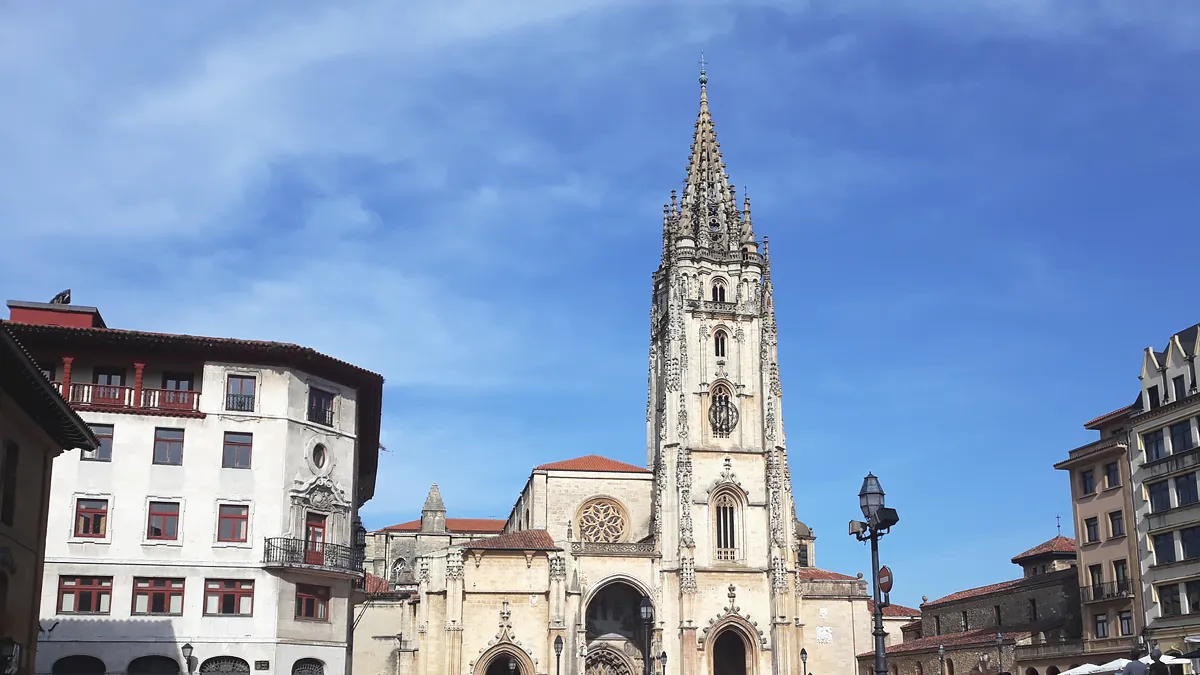
Oviedo in one walk
Oviedo is a city for unhurried walking. It is clean, quiet and compact: you stroll from square to square between terraces, and you can see the whole centre in a morning.
It has something you will not find anywhere else: ninth-century pre-Romanesque churches, from when Oviedo was the capital of the Kingdom of Asturias, now World Heritage. And more than a hundred sculptures in the streets, which is why it is called «the city of statues».
The ten stops below are in walking order. Start at the Cathedral and follow the list; Gascona and Santullano come at the end, towards the north.
Oviedo Cathedral and the Cámara Santa
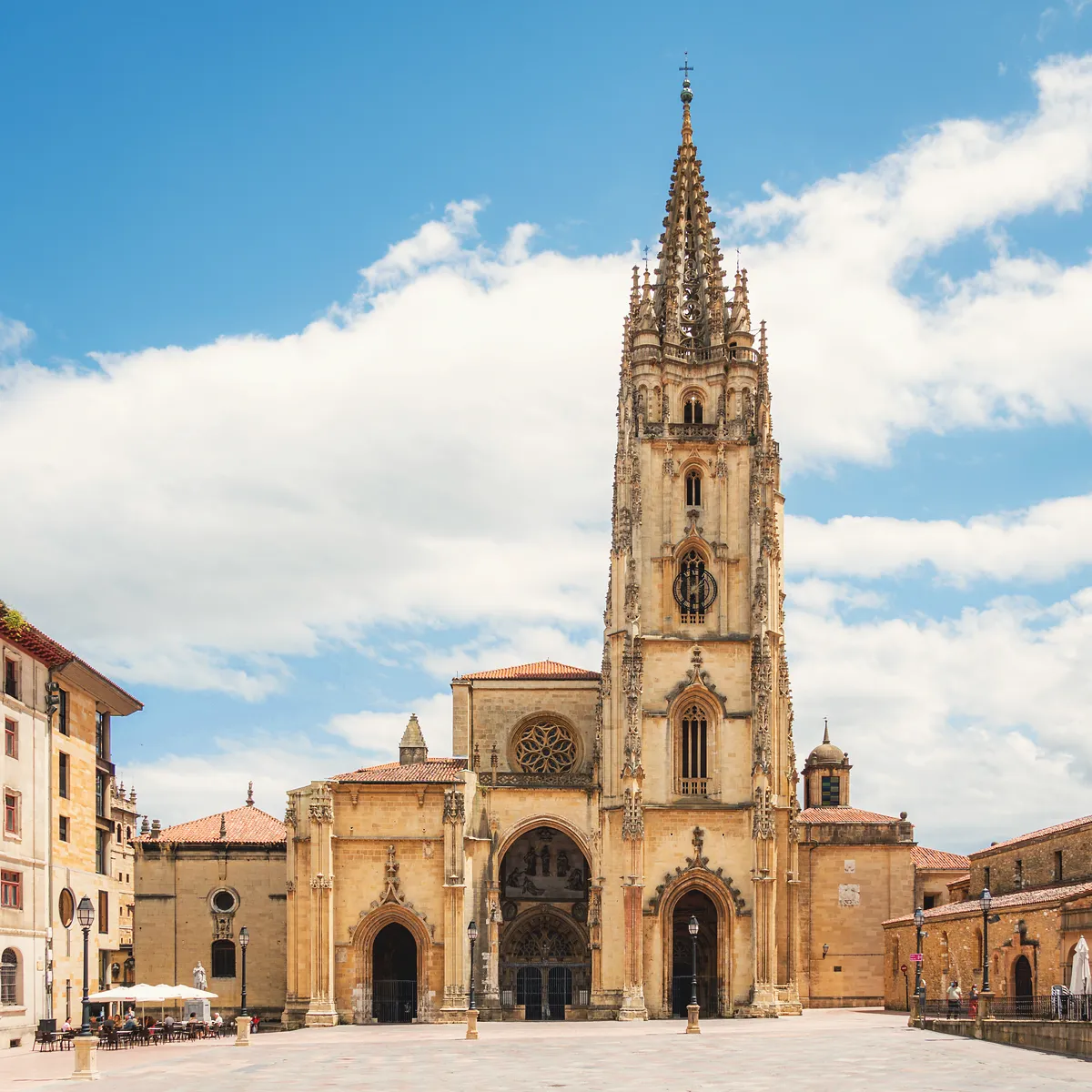
Gothic on the outside, with an 80-metre tower. Inside it keeps a 9th-century heart: the Cámara Santa, a World Heritage Site, home to the Cross of the Angels, the Cross of Victory and the Holy Shroud.
Around the year 834 the first pilgrim to Santiago, King Alfonso II, set off from this very door: this is kilometre 0 of the Camino Primitivo. If your legs are up to it, the climb up the tower (184 steps) passes the Wamba bell, cast in 1219.
Museum of Fine Arts of Asturias
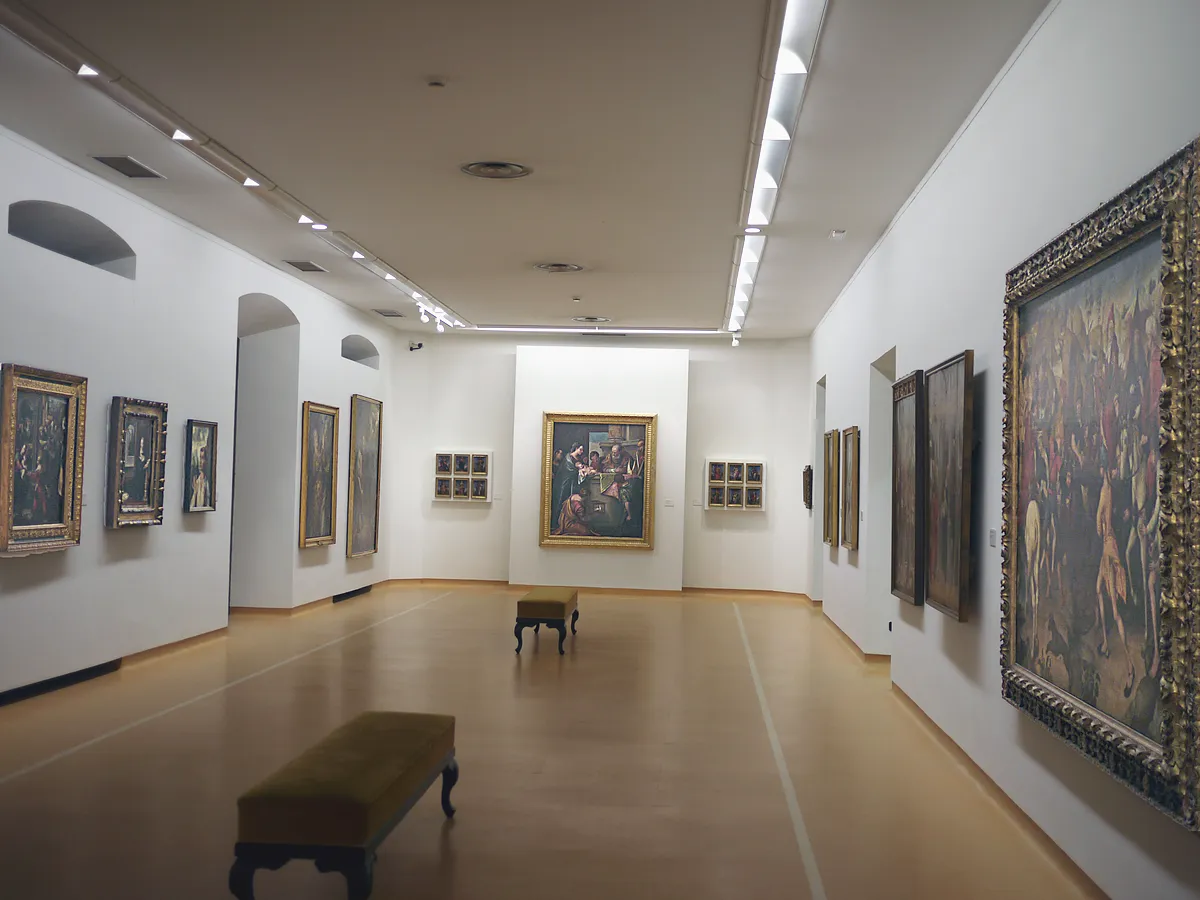
A hundred metres from the Cathedral and free: El Greco, Goya, Zurbarán, Sorolla, Picasso and Dalí in two old-town palaces and a modern 2015 extension. Around 800 works on show out of almost 15,000.
The perfect plan for a rainy afternoon, and Asturias does have them.
The city of statues
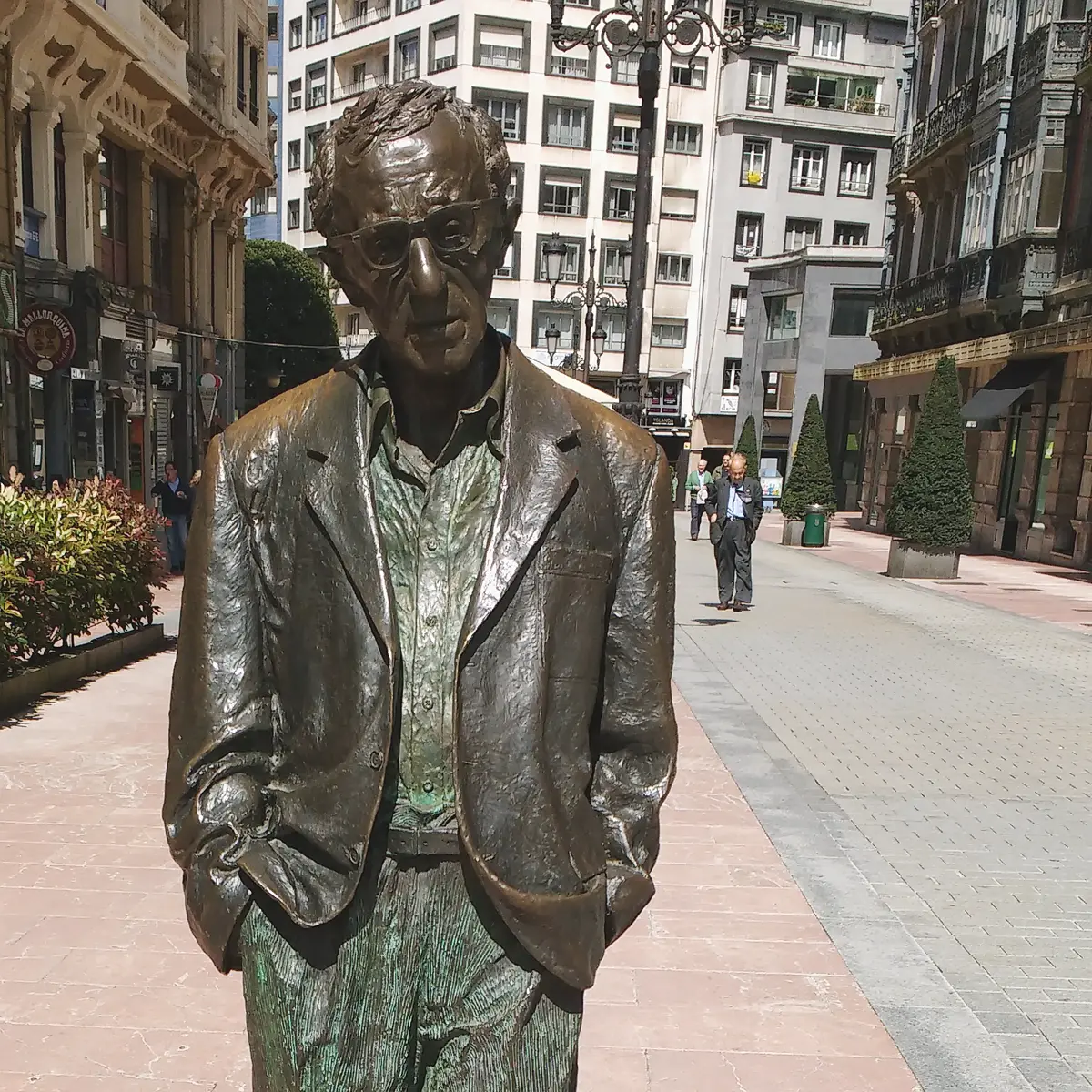
Oviedo is an open-air museum. La Regenta waits opposite the Cathedral; El Viajero arrives with his suitcase in Plaza Porlier; the Asturian ponies and Botero's Maternity stand in La Escandalera; Calle Pelayo has the «Culis Monumentalibus»; and Woody Allen strolls down Milicias Nacionales.
The city council publishes a one-hour route that starts in El Fontán and ends at the Cathedral, with around thirty sculptures along the way.
The old town: Constitución, Trascorrales and the Paraguas square
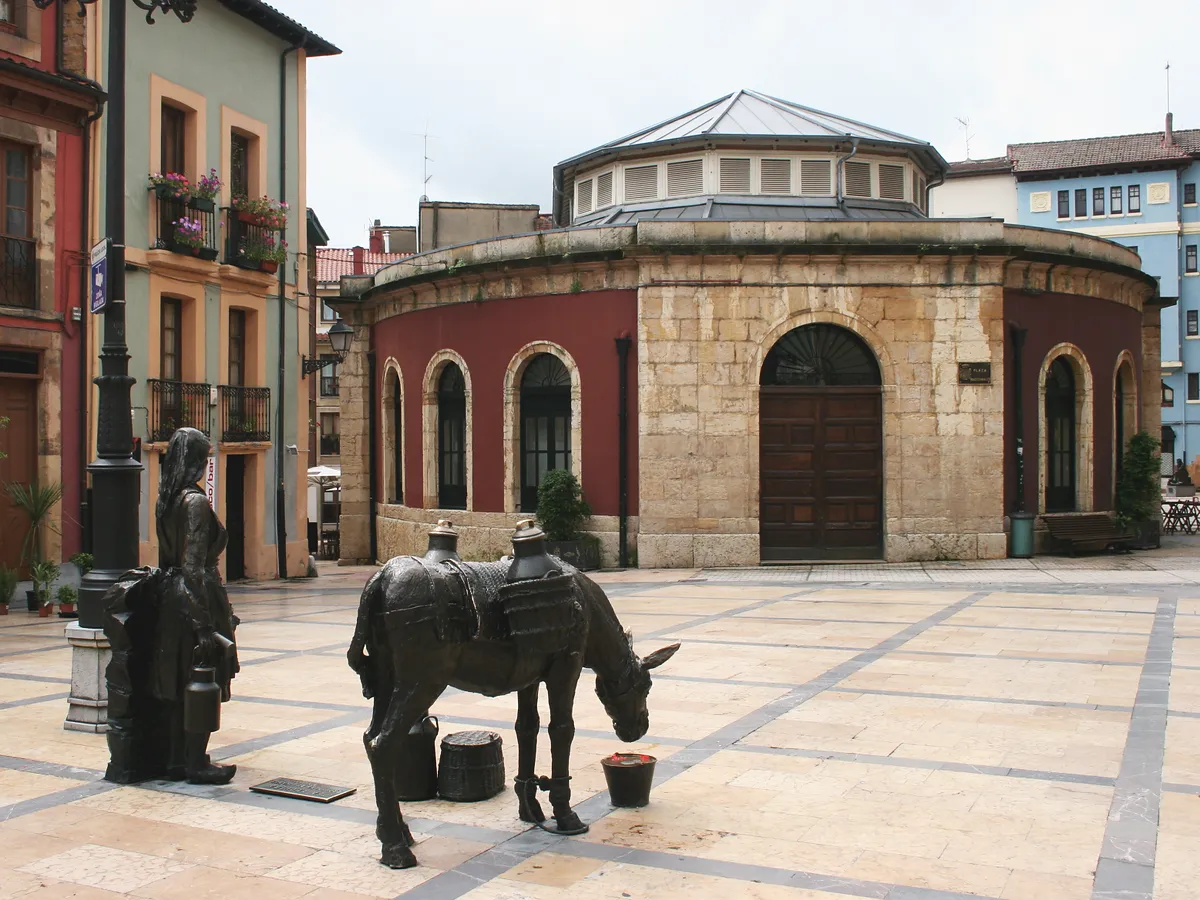
Woody Allen said Oviedo “is like a fairy tale”, and this is what he meant. The 17th-century Town Hall sits on top of the Cimadevilla gate of the old city wall. A step away are Trascorrales, the square of the milkmaid and her donkey, and the Plaza del Paraguas, with the canopy under which milk was sold on rainy days.
Terraces, cider houses and wine bars: this is where locals have their midday vermouth.
Edificio Histórico de la Universidad
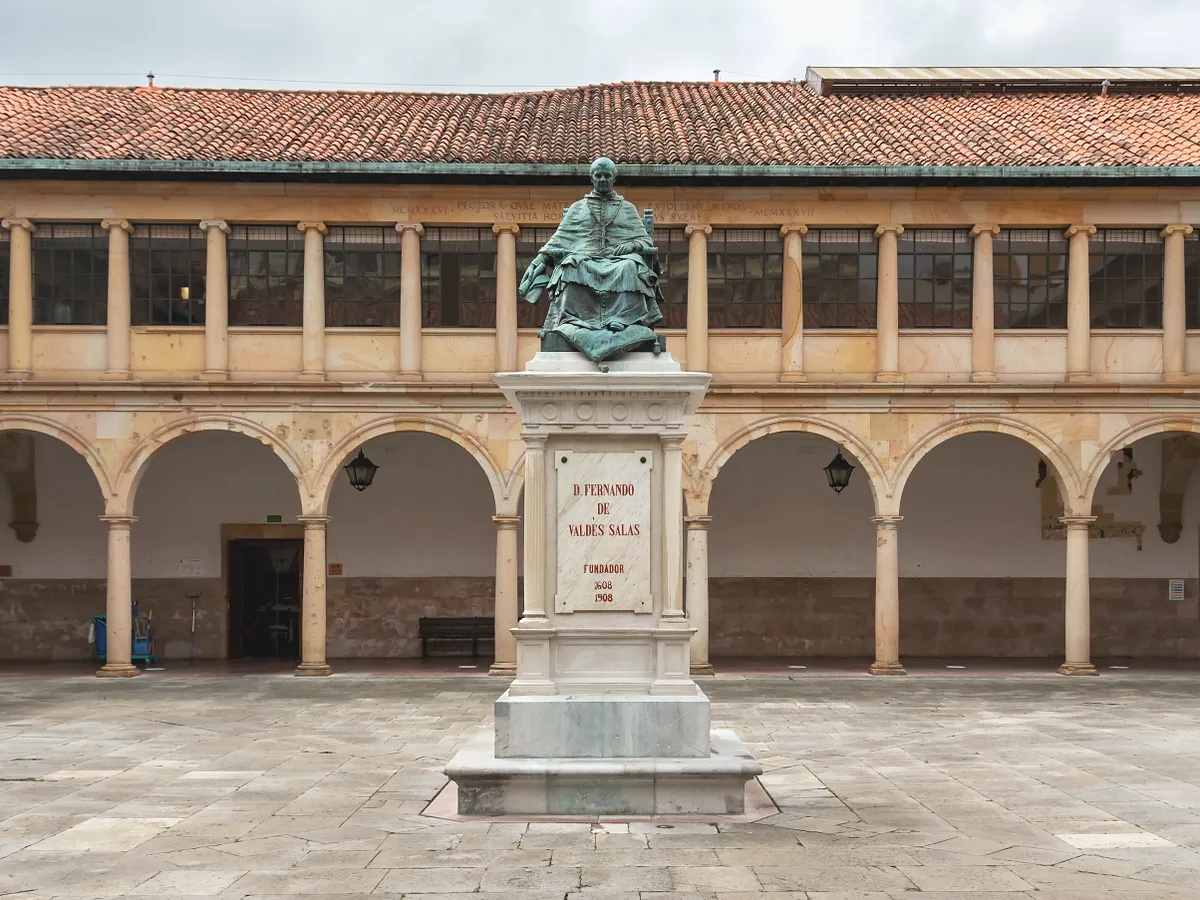
The University of Oviedo opened its doors in 1608 thanks to the legacy of Fernando de Valdés Salas, archbishop and inquisitor general born in Salas, and it still teaches in this historic building: one of the oldest universities in Spain. In the courtyard, the stone cloister with a statue of the founder.
The entrance is on Calle San Francisco, on the way to the park.
El Fontán: the square, the market and the street market
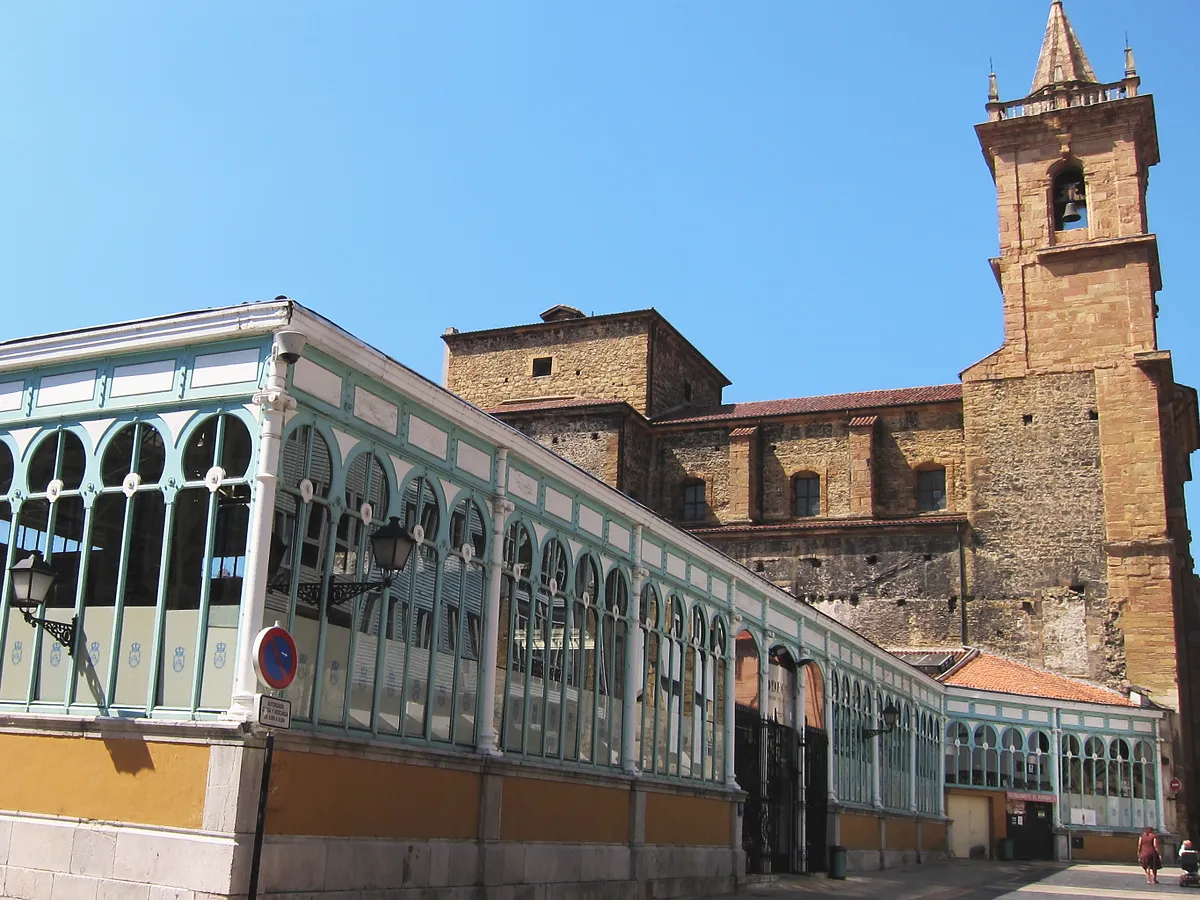
A colourful arcaded square, rebuilt in 1999 on the site of the 17th-century one, and right next to it the iron market hall of 1885: Asturian cheeses, fish and local produce to take back to the apartment.
On Thursday, Saturday and Sunday mornings the streets outside fill with stalls. At midday, a bottle of cider or a vermouth on its terraces.
Campoamor Theatre, Calle Uría and the Escandalera
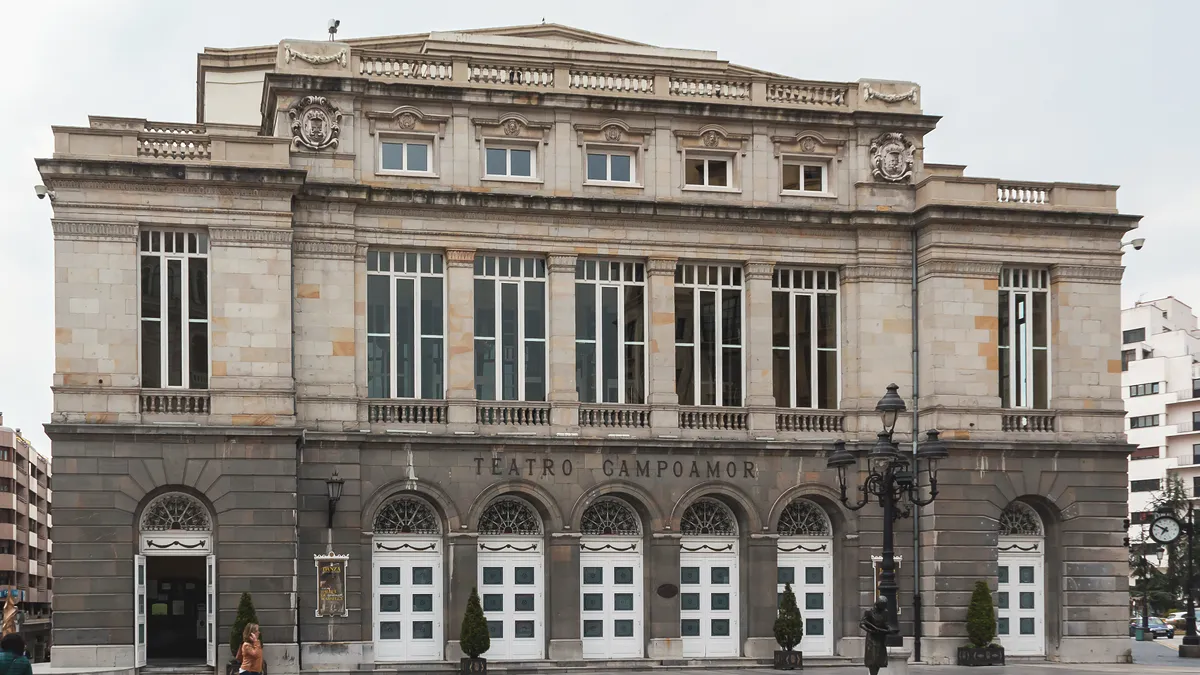
The theatre where the Princess of Asturias Awards have been presented since 1981: every October the blue carpet rolls out of this door. It opened in 1892 and seats 1,491. Opera season runs from September to January.
All around is elegant Oviedo: Calle Uría, the Escandalera and its classic cafés. In August you can see inside on a theatrical guided tour.
Campo de San Francisco park and Mafalda
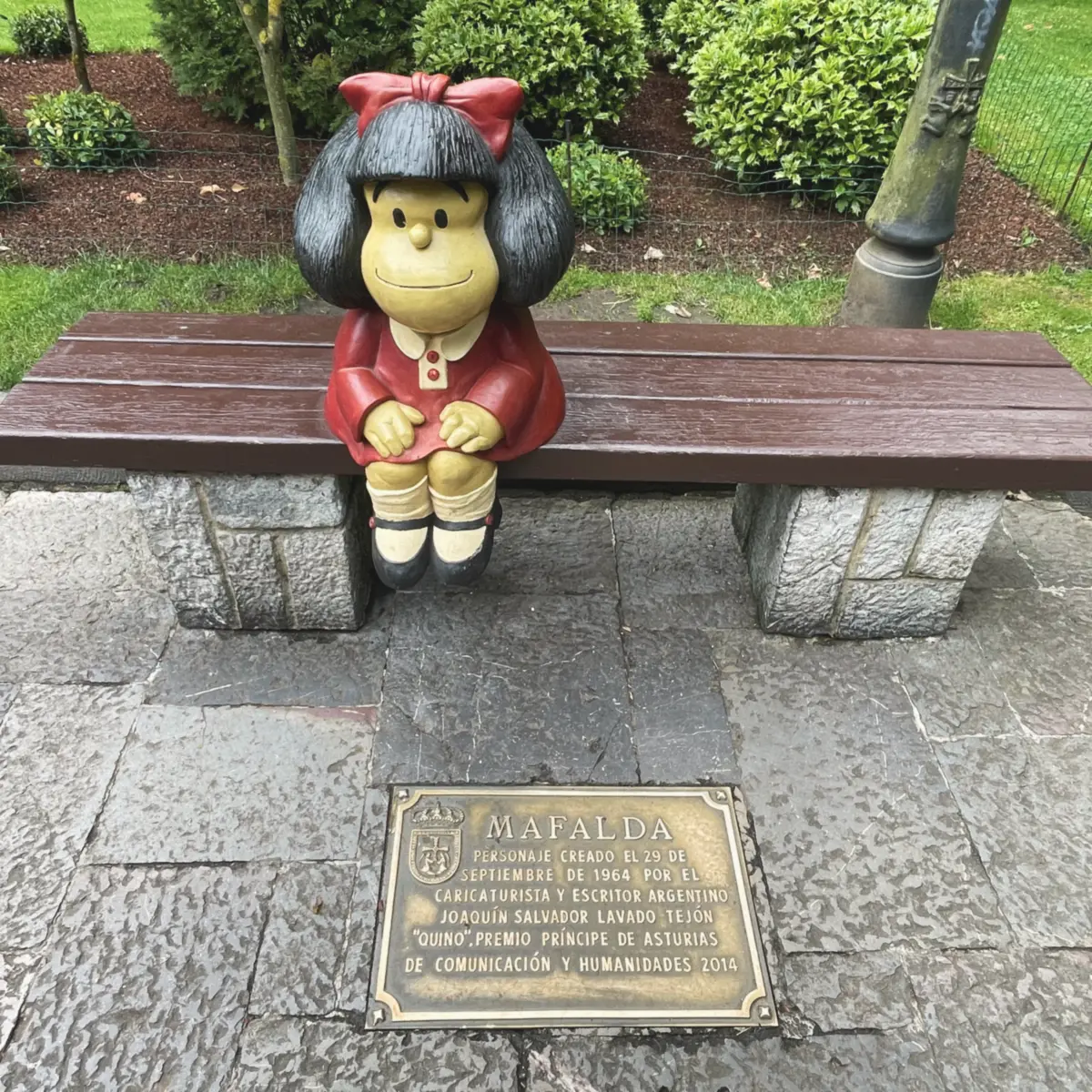
The city's great park: nine hectares beside Calle Uría that were once a Franciscan convent's orchard. Centuries-old trees, the Paseo de los Álamos, the duck pond and peacocks roaming free.
By the pond, sitting on a bench, Mafalda is waiting: it is the photo everyone takes.
Gascona, the Cider Boulevard (and the Foncalada)
A whole street of cider houses, with giant GASCONA letters at the entrance. This is where you see cider poured the real way: the bottle above the head, the glass at hip height and a «culete» drunk in one go. More in Gascona, the cider boulevard.
At the end of the street is La Foncalada: a ninth-century fountain, the only civil pre-Romanesque structure preserved in Europe, and it still runs.
San Julián de los Prados (Santullano)
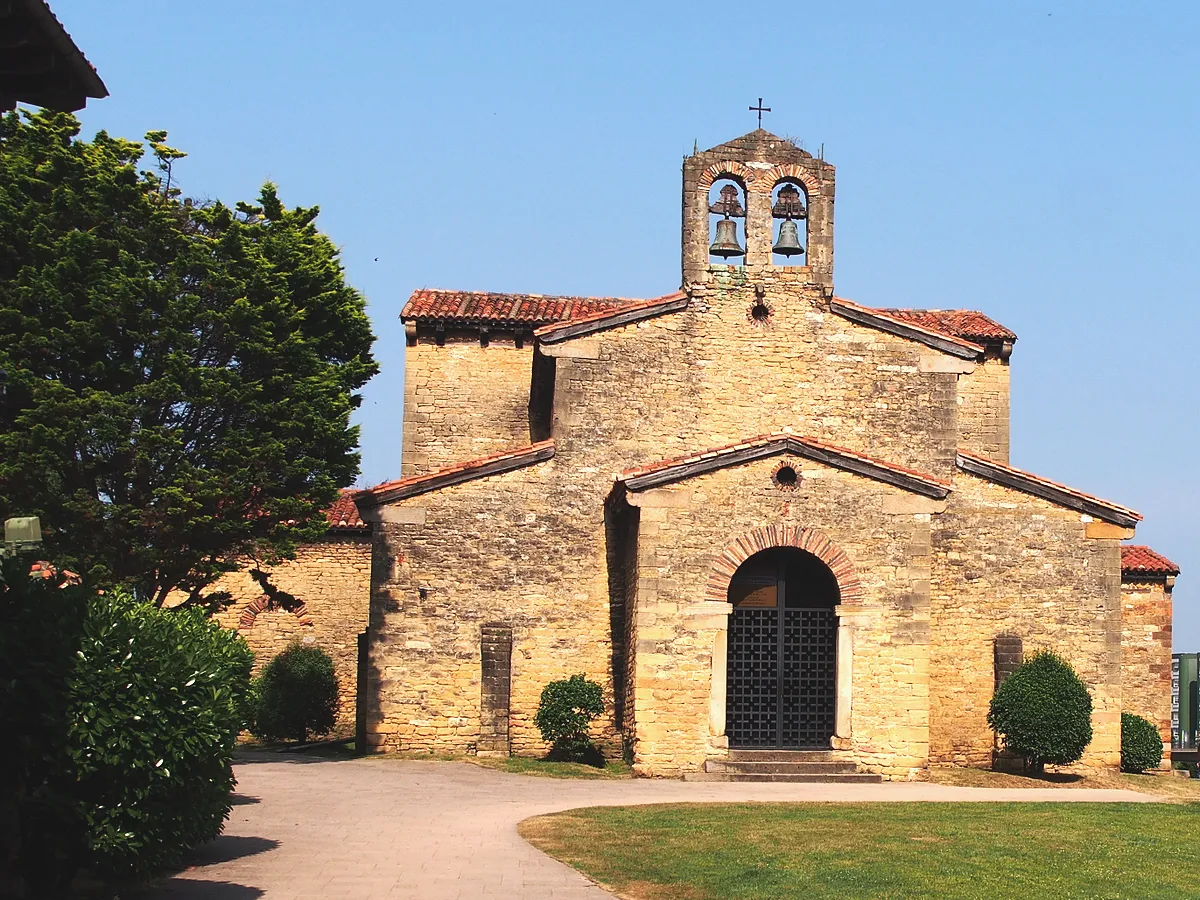
The largest surviving pre-Romanesque church and the best painted: its 9th-century frescoes, from the reign of Alfonso II, are the most extensive and best-preserved set of wall paintings of their time in all of Western Europe. A World Heritage Site since 1998.
Visits are in guided slots. Times may change for parish celebrations.
Mount Naranco: pre-Romanesque and sunset
Mount Naranco is Oviedo's balcony. On its slope stand two ninth-century monuments that became World Heritage as early as 1985, and at the top, the Christ statue and a lookout with the whole city at your feet.
Santa María del Naranco and San Miguel de Lillo
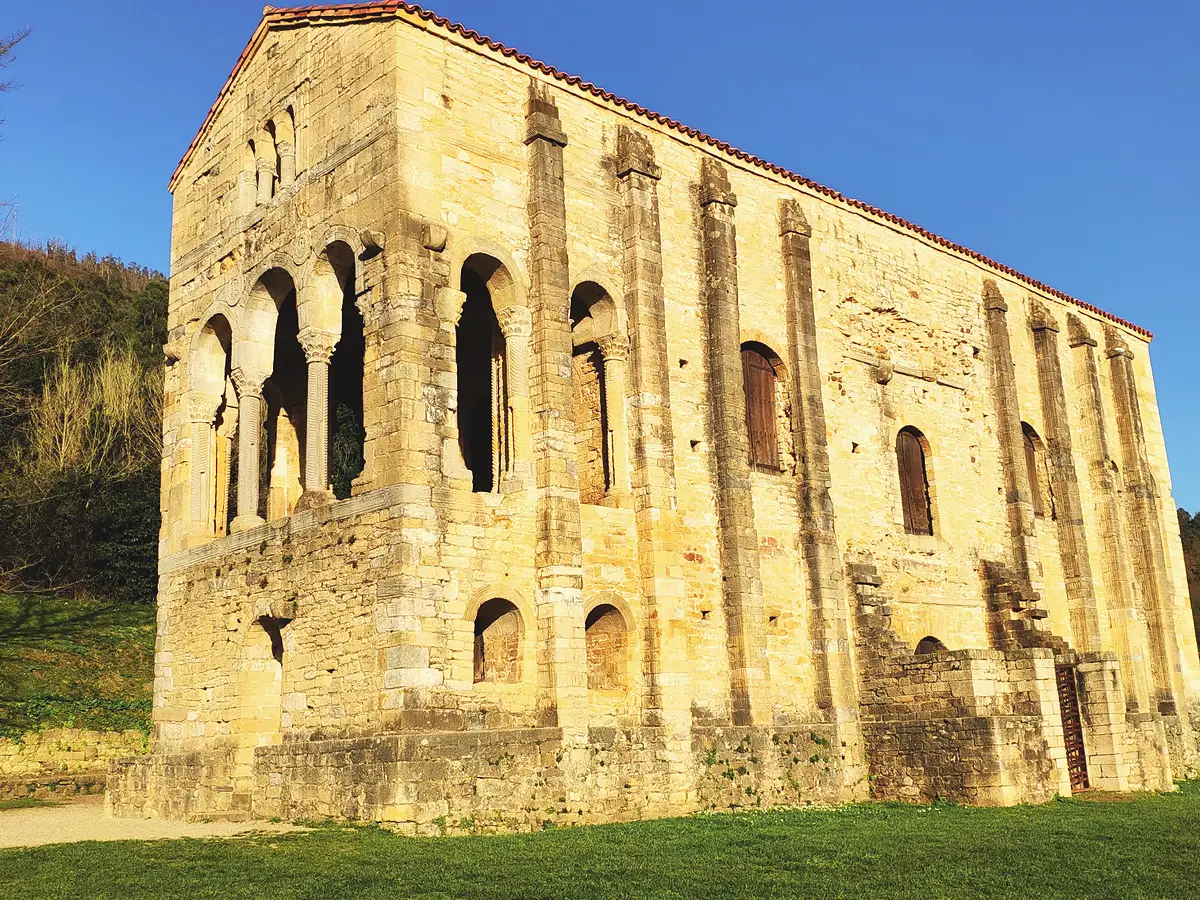
About 4 km from the centre, on the slope of Mount Naranco, stand Santa María del Naranco, once King Ramiro I's leisure palace with loggias open to the valley, and San Miguel de Lillo, with its reliefs and lattice windows. There is nothing like them in Europe.
Visits are guided and opening times change with the season; on Mondays you can visit on your own. Go by car or taxi; there is parking right by the monuments.
Up the Naranco at sunset
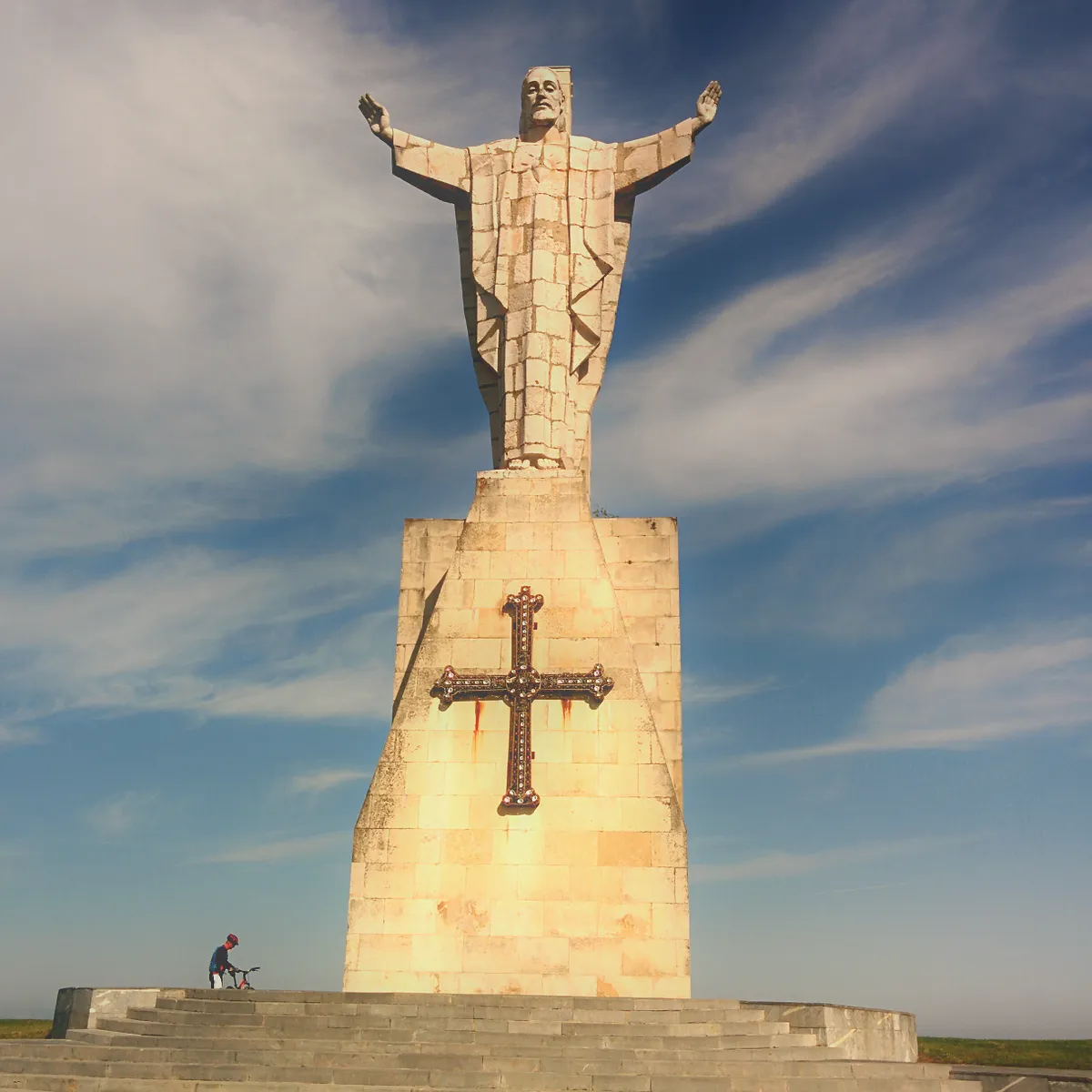
After the churches, keep going up to the top: the Christ of Naranco and the lookout, with the whole city below, the Aramo range and, on a clear day, the Picos de Europa. At sunset it is one of the finest moments Oviedo has to offer.
You go up by car or taxi; there is room to park at the top. There is no bus to the summit.
Eating and drinking in Oviedo
Oviedo was Spain's Capital of Gastronomy in 2024, and it shows. The dishes to try, and where to order them, are in what to eat in Oviedo. For cider, the street is Gascona.
And between one and three, the vermouth hour: a terrace in El Fontán, then Trascorrales and, to finish, the Plaza del Paraguas.
Festivals: San Mateo and the Princess of Asturias Awards
Oviedo's big festival is San Mateo, in September, around the 21st: street concerts, food stalls and a packed city. And every October, the Teatro Campoamor hosts the Princess of Asturias Awards ceremony.
The city fills up on those dates: if you are coming, book early.
Where to stay to see Oviedo
Our flats are in neighbourhoods close to the centre, not in the old town: you walk or take the city bus into the centre, and in return you get space, a kitchen and, almost always, a parking space. If you are driving, see where to park in Oviedo.
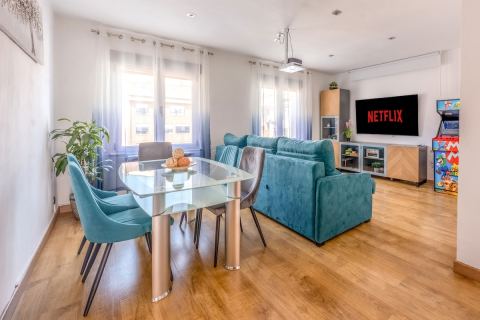 Puerto Pajares
Parking space included · Cot available
Registered holiday home · VUT.312.AS
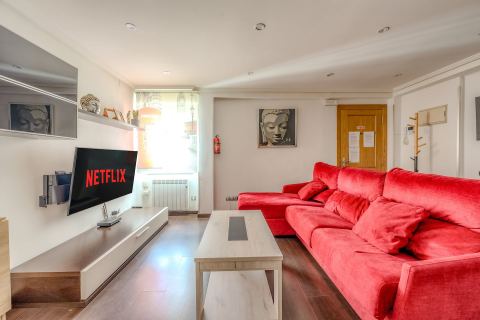
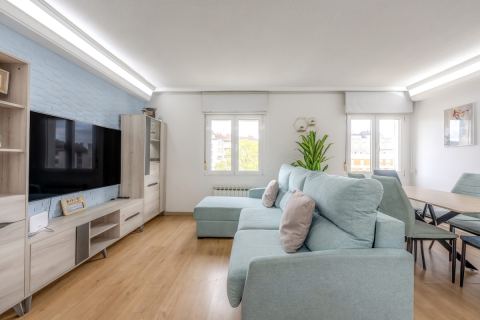 San Melchor
Parking space included · Cot available
Registered holiday home · VUT.2931.AS
See which apartments are free on your dates
«Every flat is our own: we designed them ourselves and we look after everything ourselves, with a lot of love.»Marcos Cuesta, maikhomes
Holiday flats in neighbourhoods close to the centre of Oviedo, since 2017. Pick your dates and see which ones are free:
Frequently asked questions
What can I see in Oviedo in one day?
The Cathedral and the Holy Chamber, the old town and its squares, El Fontán, Calle Uría and the Campo de San Francisco park, and in the afternoon Mount Naranco and its pre-Romanesque buildings.
Can you see Oviedo on foot?
Yes. Almost everything that matters is within ten minutes' walk of the Cathedral, and the old town is pedestrianised. Only Mount Naranco needs a car or a taxi.
What is Asturian pre-Romanesque?
Ninth-century churches and palaces from when Oviedo was the capital of the Kingdom of Asturias. Santa María del Naranco, San Miguel de Lillo and Santullano are World Heritage.
When are Oviedo's festivals?
San Mateo, in September, around the 21st. In October the Princess of Asturias Awards are presented at the Teatro Campoamor.